


A Stress-free Guide to Planning a Wedding In Ghana
Planning a wedding in Ghana is a beautiful journey filled with culture, colour, and community. But let’s be honest – it can also be overwhelming.
Balancing cultural traditions with a growing guest list can make the lead-up to your wedding feel more stressful than joyful.
This guide is here to help you plan your dream Ghanaian wedding without losing your mind (or your budget). No matter the type of celebration; traditional, white wedding, or both, you’ll find helpful tips and cultural insights here to make planning stress-free.
Step 1: Define Your Wedding Vision

In planning a wedding in Ghana, take a moment to dream, before you even start making plans for logistics. What kind of wedding do you and your partner envision?
Having a clear vision will guide every decision you make while planning a wedding in Ghana. It also helps you communicate your expectations to vendors, family, and your wedding planner.
You may want to ponder if you’d love:
- A vibrant traditional ceremony with kente and drumming?
- A modern white wedding in a luxury hotel?
- A blend of both, honouring your roots and your personal style?
Step 2: Set a Realistic Budget

Planning a wedding in Ghana can range from modest to extravagant. Setting a budget early on is essential to avoid financial stress and keep your plans grounded.
It is important to note that, In preparing your very realistic budget, always include a 10-15% buffer for unexpected expenses. Trust me, it’d save you a lot. You may want to consider the following key budget categories when planning yours:
- Venue rental
This isn’t just a location, it’s the canvas for your day. Whether it’s a cultural centre, beachside resort, or family compound, your choice sets the tone.
Will it be spacious enough for all Aunties and Uncles? Are there hidden costs like clean-up, security, or extra chairs? The venue is more than walls, it’s the foundation of your memories.
- Catering and drinks
Feeding your guests isn’t just custom, it’s celebration. Jollof rice or chicken cordon bleu? Local drinks or champagne towers? Your menu can echo your roots, delight taste buds, and set a vibe.
Don’t forget staffing, serving ware, and backups for power outages if it’s an outdoor setup.
- Traditional attire and white wedding outfits
From regal kente wraps to sleek tuxedos, these aren’t just clothes, they’re statements. Families often wear coordinated outfits, which means budgeting for multiple looks across ceremonies.
Tailoring, accessories, and last-minute fixes sneak in too. Be ready darling.
- Photography and videography
These artists capture more than smiles, they preserve your legacy. Capturing pre-wedding shoots until the final dance step, the right team makes your joy timeless.
Don’t skimp- these are the moments you’ll show your children and grandchildren. Budget right; for this is a generational history you want to tell.
- Makeup and hair
When you step out, you want your glow to speak volumes. Consider trials, touch-ups throughout the day, and coverage for bridesmaids or mothers. It’s not vanity, it’s self-expression and confidence.
- Decor and floral arrangements
This sets your atmosphere. Whether it’s cultural motifs or modern elegance, decor transforms spaces. Think table settings, backdrops, entrance design, and even scent. You’re creating an experience- one your guests walk into and feel
- Entertainment (DJ, live band, MC)
This is your pulse. Will your MC know how to engage a mixed crowd? Can your DJ switch smoothly between Afrobeats and R&B? The band might need rehearsal space, sound equipment, and meals. Energy doesn’t happen accidentally.
- Transportation
This is often overlooked until the bridal convoy gets stuck in traffic! Budget for bridal cars, guest shuttles (especially if venues are far apart), and maybe a stylish getaway vehicle. Timing is everything- so is style.
- Gifts for family and bridal party
These gestures say “thank you” with heart. It could be just a custom fabric, framed photos, or spa vouchers, gifts are your way of honoring the people who stood by you. Include packaging, and plan for surprises. It’s worth it.
Step 3: Choose the Right Venue

Venue selection is one of the most important decisions when planning a wedding in Ghana. Popular venues in cities like Accra, Kumasi, and Takoradi get booked months in advance, especially during festive seasons.
When choosing a venue, consider: Capacity and layout, accessibility for guests, parking availability, Backup options for bad weather (especially for outdoor events). Consider the following venue options.
- Outdoor gardens for romantic, nature-inspired weddings
Think sun filtering through leaves as vows are exchanged under an arch of flowers. Birds chirp softly while your guests sit surrounded by lush greenery, a setting that feels intimate, dreamy, and naturally magical.
It’s perfect for couples who want serenity, fresh air, and timeless photos kissed by golden hour. Just plan for contingencies; weather, sound, and seating. However, the beauty is worth it.
- Event centers with full amenities
These venues offer more than space, they deliver peace of mind. From air conditioning and secure parking to professional lighting and on-site staff, you’re choosing convenience wrapped in style.
Imagine walking into a hall already prepped with decor, sound systems, and changing rooms, giving you more freedom to focus on your moment. Whether it’s 100 or 1,000 guests, event centers scale beautifully.
- Church halls for religious ceremonies
There’s a distinct comfort that comes from being surrounded by familiar walls where you’ve worshiped, grown, and connected. For couples seeking to anchor their wedding in faith, a church hall offers both sacred meaning and a supportive space.
Often more budget-friendly, these venues reflect values, traditions, and a strong sense of community. With a bit of decor magic, they can be transformed into heartfelt celebration spaces.
- Family homes for traditional engagements
This is where heart meets heritage. Holding your engagement in a family home isn’t just convenient, it’s sacred. These spaces carry generations of laughter, storytelling, and shared meals.
Elders sit where they’ve sat for decades, watching traditions unfold exactly where they once did themselves. There’s a warmth that no rented venue can match. The walls know your name.
From courtyard décor to the smell of home-cooked meals wafting through the air, every detail feels close, authentic, and rooted.
It invites the community not just as guests, but as co-authors of your journey. And logistically, it can ease costs while making meaningful memories
Step 4: Create Your Guest List

Ghanaian weddings are known for their large guest lists. So, in planning a wedding in Ghana, It’s not uncommon for couples to plan for 300+ guests, especially when extended family and community members are involved.
In view of this, managing your guest list might seem like just another task but it’s actually one of the most emotionally charged and impactful decisions you’ll make.
It determines the mood, the intimacy, and even the logistics of your big day. These tips will help in creating your guest list.
- Start with close family and friends
Begin with the hearts that beat closest to yours; those who’ve walked with you through milestones, struggles, and celebrations. Your inner circle isn’t just there to attend, they bring love, laughter, and grounding energy.
These are the people whose presence matter most when you look back at your wedding photos years from now
- Decide if the event will be open or strictly by invitation
This is your moment to set boundaries lovingly when planning a wedding in Ghana because it can be really difficult. An open event can feel festive and communal but it may spiral beyond your intended budget and vibe.
A strictly-by-invite setup allows intentional planning, emotional connection, and better crowd management. It doesn’t mean you are excluding people, you are just trying to craft an experience that truly reflects your relationship and values.
If you’re working with a tight budget, be firm about your guest count and communicate clearly with family.
- Use digital tools like Google Sheets or wedding planning apps to track RSVPs.
Technology can be your quiet hero here especially when planning a wedding in Ghana. Whether it’s shared spreadsheets with tabs for meal preferences, transportation needs, and confirmation status or apps that nudge guests with reminders, you’re building clarity and structure.
Plus, going digital means less stress and more transparency for whoever’s helping you plan.
- Consider printing a guest list for security at the venue
It may sound formal, but it’s practical. A printed list helps your ushers or security team avoid awkward moments and ensures only invited guests access your celebration.
This also supports crowd control, helps track seating arrangements, and keeps the vibe safe and warm
Step 5: Plan Your Traditional and White Wedding Ceremonies

Note that, when planning a wedding in Ghana, many Ghanaian couples opt for both a traditional wedding (engagement) and a white wedding. Each has its own customs and planning needs.
Traditional Wedding
- Involves the bride price, gift exchange, and family introductions
- Usually hosted at the bride’s family home or a rented venue
- Requires coordination with elders and family representatives
White Wedding
- Typically held in a church or outdoor venue
- Includes a formal ceremony and reception
- Often features a bridal party, vows, and a first dance
Pro Tip: Some couples combine both ceremonies into one day, while others spread them out over a weekend.
Step 6: Hire Reliable Vendors

One of the most important parts of planning a wedding in Ghana is choosing trustworthy vendors. Social media, especially Instagram, is a great place to find portfolios and reviews.
Ensure to always sign contracts and clarify payment terms before making deposits when planning a wedding in Ghana.
Essential Vendors
- Wedding planner or coordinator
- Caterer (local and continental dishes)
- Photographer and videographer
- Decorator and florist
- DJ or live band
- Makeup artist and hairstylist
- MC (Master of Ceremonies)
Step 7: Plan the Menu
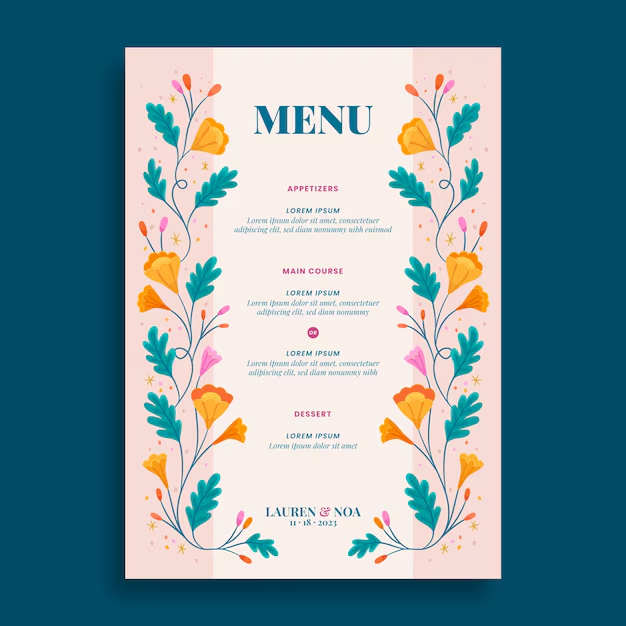
Food is a major highlight of any Ghanaian wedding. Note that, when planning a wedding in Ghana, guests expect a wide variety of delicious dishes, so your menu should reflect both tradition and taste.
Popular Dishes
- Jollof rice, fried rice, waakye
- Grilled tilapia, goat meat, chicken
- Banku with okro stew or pepper sauce
- Assorted pastries and finger foods
- Local drinks like sobolo, asana, and palm wine
Step 8: Organize Entertainment
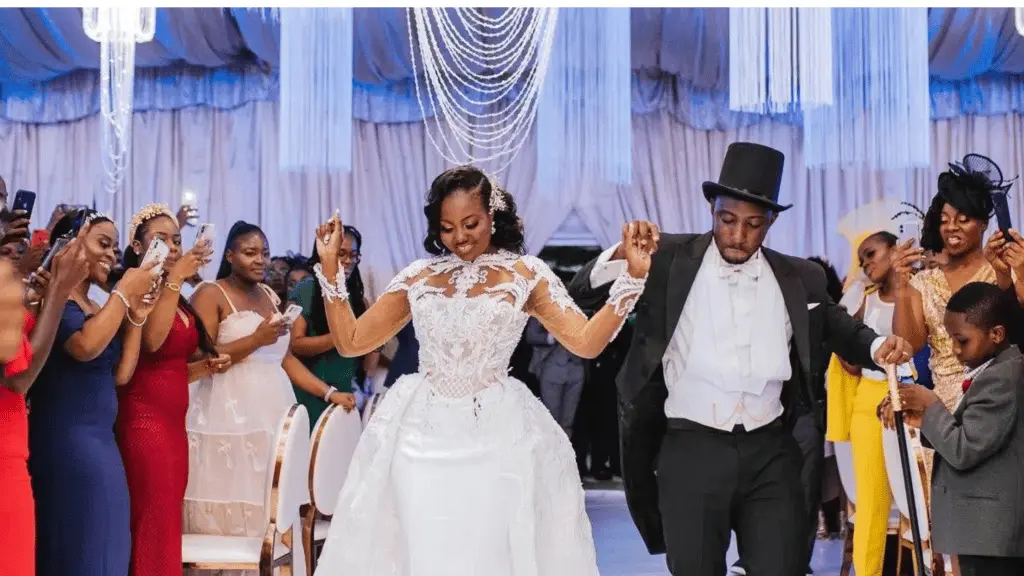
Music and dance are at the heart of Ghanaian celebrations. It doesn’t matter if you prefer a DJ spinning afrobeats or a live band playing highlife, entertainment sets the tone for your big day.
You can choose to share your music preferences with your DJ or band ahead of time to avoid surprises.
Entertainment Ideas
- Cultural dance troupe for traditional flair
- Bridal party dance performance
- Surprise guest artist or spoken word performance
- Games and interactive moments during the reception
Step 9: Dress the Part

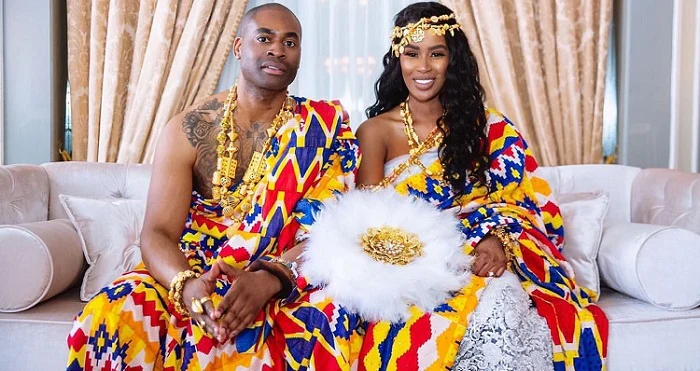
Fashion is a big deal when planning a wedding in Ghana. From vibrant kente to elegant lace gowns, your attire should reflect your personality and heritage.
For the Bride
- Kente or lace for the traditional ceremony
- White gown for the church wedding
- Accessories: headpiece, beads, fan, heels
For the Groom
- Agbada, kaftan, or kente for traditional
- Suit or tuxedo for the white wedding
Pro Tip: Coordinate with your bridal party for a cohesive look and color scheme.
Step 10: Stay Calm and Enjoy the Process
It’s easy to get caught up in the details, but remember: your wedding is a celebration of love. Don’t let stress steal your joy.
Stress-Reducing Tips
- Delegate tasks to trusted friends or family
- Take breaks from planning to reconnect with your partner
- Hire a day-of coordinator to manage logistics
- Focus on what truly matters; your union and the people who support it
Conclusion
Planning a wedding in Ghana is a unique and rewarding experience. With the right mindset, a clear plan, and a supportive team, you can create a celebration that reflects your love, culture, and personality.
Be it a grand affair in Accra or a cozy ceremony in your hometown, this guide is your roadmap to a stress-free wedding. Embrace the process, trust your instincts, and get ready to say “I do” the Ghanaian way; full of joy, tradition, and unforgettable memories.
Leave A Comment